
Silica-mullite bricks are composite refractory materials made from high-alumina bauxite and silicon carbide (SiC) through high-temperature firing. They play a crucial role in thermal equipment such as cement rotary kilns. Their core value lies in the synergistic balance of various properties achieved through the structural framework of mullite and the reinforcing properties of silicon carbide.
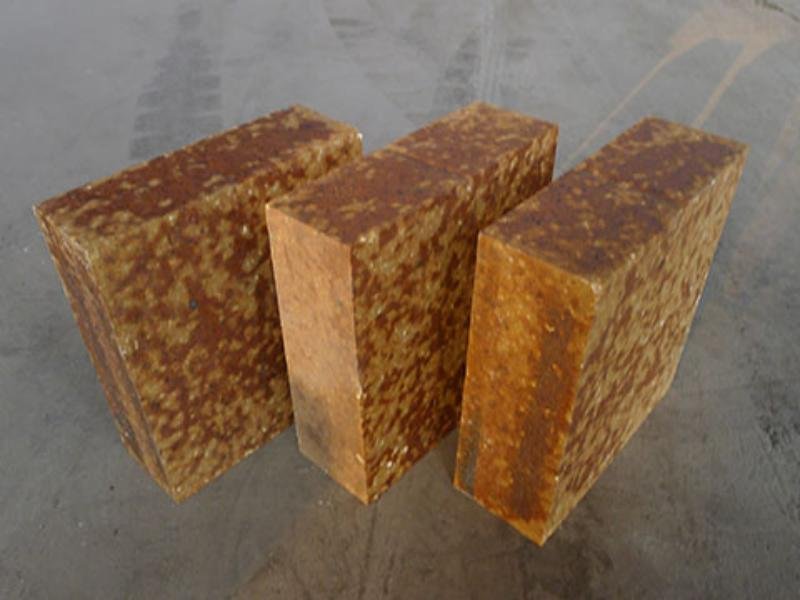
In kilns, silica-mullite bricks primarily perform the following functions:
1. Resisting high-temperature wear and erosion: This is the most prominent function of silica-mullite bricks. The extremely high hardness of silicon carbide (Mohs hardness up to 9.5) gives silica-mullite bricks excellent wear resistance, enabling them to effectively resist the erosion from high-temperature materials and dust moving at high speeds within the rotary kiln. In practical applications, their service life can be 1.5 to 2 times that of high-alumina bricks, and 3 to 5 times that of high-alumina bricks, making them particularly suitable for transition zones, cooling zones, and other areas without kiln lining protection and experiencing severe wear.
2. Withstanding severe temperature fluctuations (thermal shock resistance): Frequent start-ups and shutdowns and temperature changes in kilns can lead to refractory material spalling. The high thermal conductivity of silicon carbide helps the brick body quickly homogenize temperature and reduce internal stress. Mullite itself has a low coefficient of thermal expansion; the combination of these two properties gives silicon-mullite bricks excellent thermal shock resistance, making them less prone to cracking and peeling during use.
3. Resistance to high-temperature chemical erosion: The dense structure of silicon-mullite bricks and the high chemical inertness of their main mineral phases effectively resist the erosion of alkaline atmospheres or materials within the kiln, protecting the kiln shell from damage. Their load-bearing softening temperature typically exceeds 1500℃, reaching up to 1650℃ or higher, sufficient to withstand high temperatures without deformation.
Applications and Limitations: Silicon-mullite bricks are ideal for the transition zone of cement rotary kilns and are also widely used in the decomposition zone, preheating zone, and grate cooler. However, due to their relatively high thermal conductivity, they may result in significant heat loss from the kiln shell, which is a trade-off in their application. Currently, to meet the needs of different areas, upgraded products such as high-performance silicon-mullite red bricks and silicon-mullite composite bricks with insulation functions have been developed.