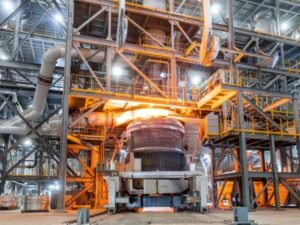
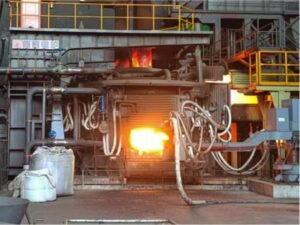
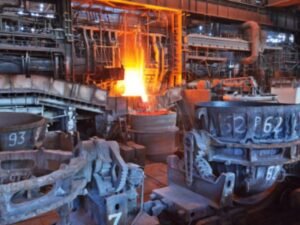
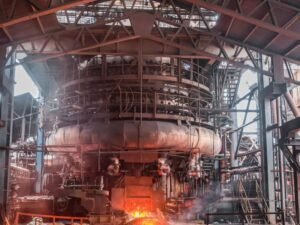

Blast Furnace

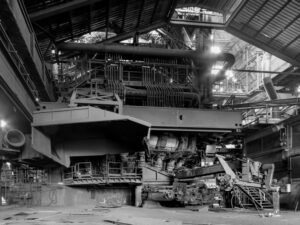
A blast furnace is a vertical metallurgical device that uses air or oxygen-enriched air blown in from the tuyeres at the bottom of the furnace. This air reacts with the ore, coke, and other furnace charge added from the top at high temperatures, undergoing an oxidation-reduction reaction.

Blast furnace is mainly used for smelting non-ferrous metals (such as lead, zinc, and copper) or producing pig iron (blast furnace).

Blast furnace boasts advantages such as high thermal efficiency, high unit productivity, high metal recovery rate, and low cost, making it an important piece of equipment in pyrometallurgy.
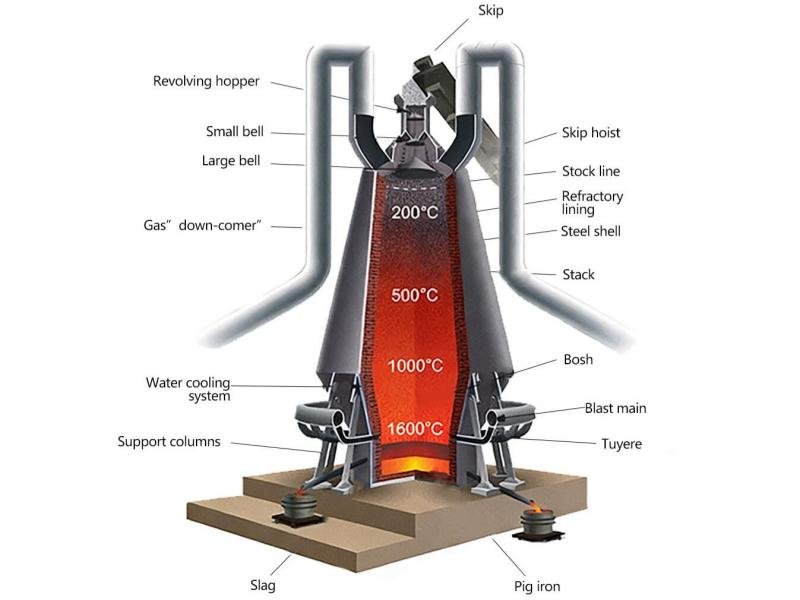
Structural Components of Blast Furnace

 Furnace Top:  Equipped with a charging port and a flue gas outlet.

Furnace Body:  A vertical furnace body, which can be designed as rectangular or circular as needed, with an internal water jacket.

Tuyeres:  Located at the bottom of the furnace body, responsible for blowing in air or oxygen-enriched air.

Hearth:  Collects molten metal and slag; depending on the design, it may have a hearth or not, used for further separation of the melt.

Foreboard:  A device located outside the furnace used for separating the melt, particularly in some blast furnace designs.

Structural Components of blast furnace

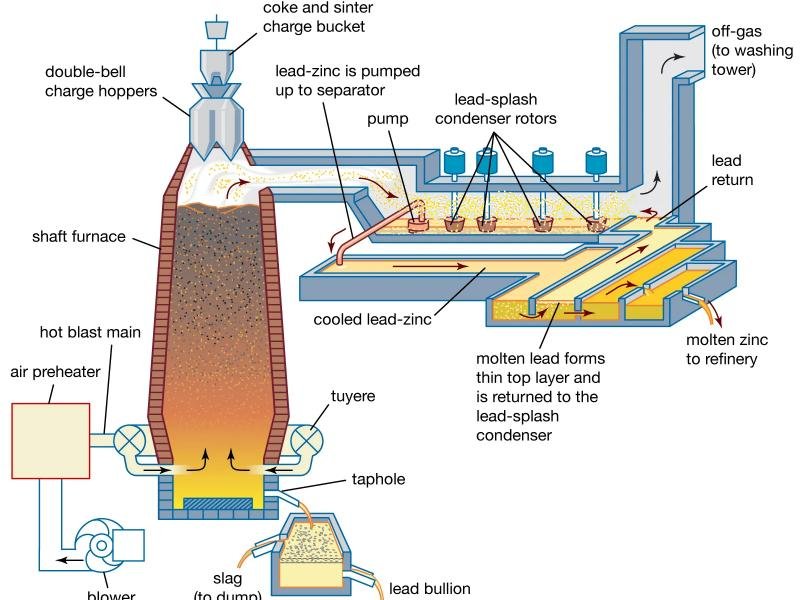
Operating Principle of Blast Furnace

1. Charging: Solid materials (such as ore, flux) and fuel (coke) are added in batches from the top of the furnace.

2. Descending: The furnace charge moves vertically downwards under its own gravity.

3. Blast and Reaction: Air is blown in through the tuyeres and encounters the descending charge, undergoing an oxidation-reduction reaction at high temperature to melt the charge.

4. Melt Discharge: The molten mixture flows into the hearth or forehearth for separation; slag and matte are discharged separately.

5. Flue Gas Discharge: High-temperature flue gas rises through the gaps in the furnace charge column and exits from the flue gas outlet at the top of the furnace, entering the dust collection device.

blast-furnace-operating principle

Features and Benefits of Blast Furnace

High thermal efficiency (counter-current heat exchange)

Waste heat from flue gas fully preheats the furnace charge, achieving a thermal efficiency of 70%–85% and low energy consumption.

High daily output per unit area (20–30 t/m²・d for lead furnaces), suitable for large-scale production.

Thorough slag-gold separation, with a recovery rate of 95%–98%.

Simple structure, low investment; continuous operation, low maintenance costs.

Can process copper, lead, zinc, nickel, etc., suitable for both lump and sintered

Application of Blast Furnace

Non-ferrous metal smelting: Used for smelting non-ferrous metal concentrates such as lead, zinc, and tin.
Ironmaking: Blast furnaces are commonly used in ironmaking.
Sulfide ore smelting: Can be used to smelt copper sulfide ores, producing copper matte and slag.
Resource recovery: Closed blast furnaces can recover sulfur dioxide from flue gas, achieving sulfur resource recovery and reducing pollution.

Key Performance Parameters of Blast Furnace

Operating Temperature: Tubular Zone 1400–1500℃, Hearth 1200–1300℃.

Blast Pressure: 0.08–0.15 MPa, Hot Blast Temperature 400–600℃.

Bed Energy Efficiency: Lead Blast Furnace 20–30 t/m²・d, Copper Blast Furnace 15–25 t/m²・d.

Lining Life: Si₃N₄-SiC Bricks 2–3 years, Ordinary High Alumina Bricks 6–12 months.

Comparison with other furnace types

Furnace Type Thermal Efficiency Bed Energy Rate Adaptability Maintenance Cost
Blast Furnace High (70%–85%) Large Strong (Polymetallic) Low
Reverberatory Furnace Medium (50%–60%) Small Weak Medium
Flash Furnace High (80%–90%) Large Strong (Concentrate) High

Refractory Bricks for Blast Furnace

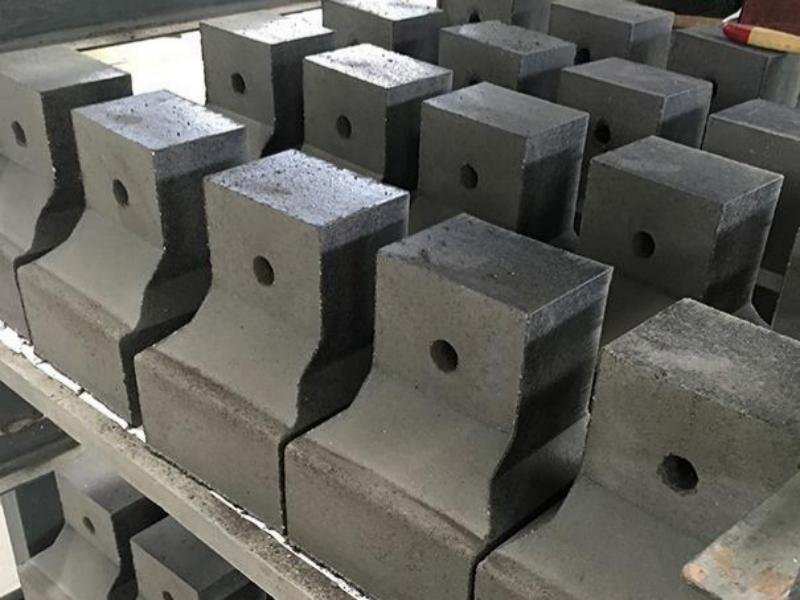
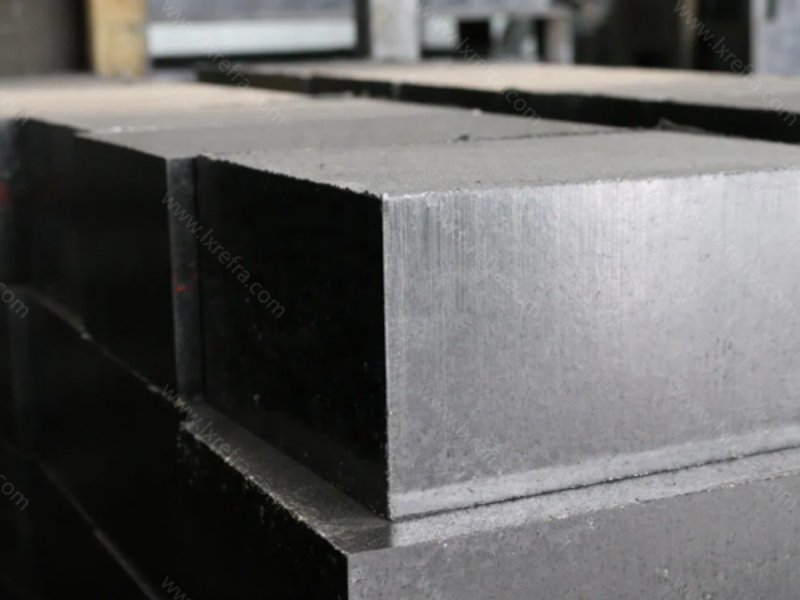
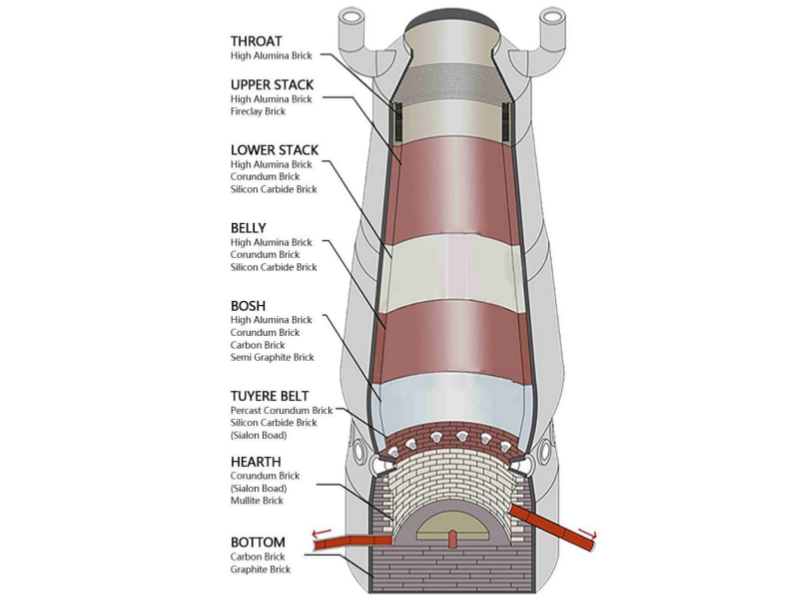
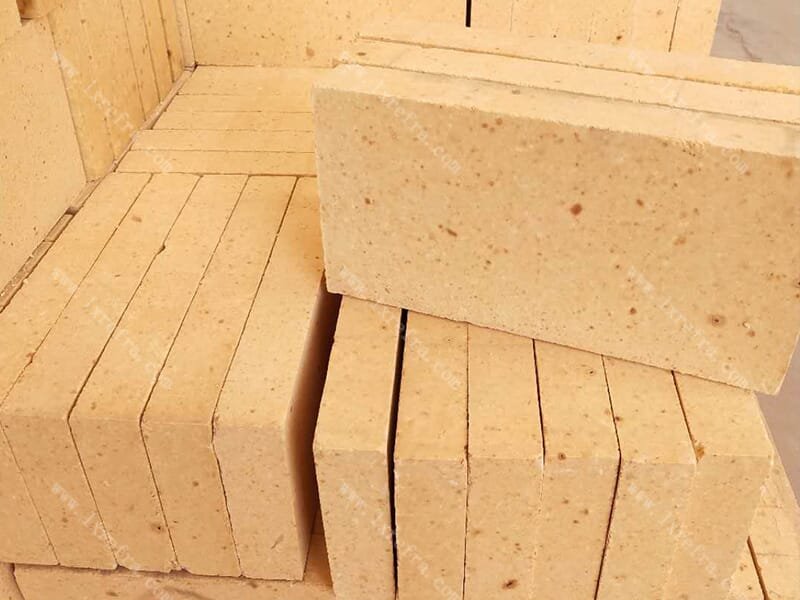
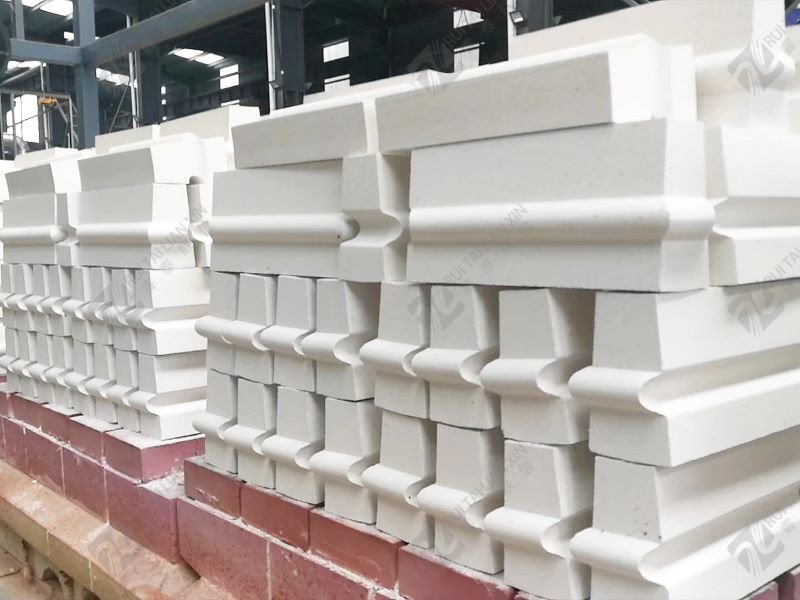
The temperature, erosion (slag/molten metal/gas), scouring, and mechanical impact vary greatly across different parts of a blast furnace. Refractory bricks must be specifically matched to these differences. The core parts and their selection are as follows:

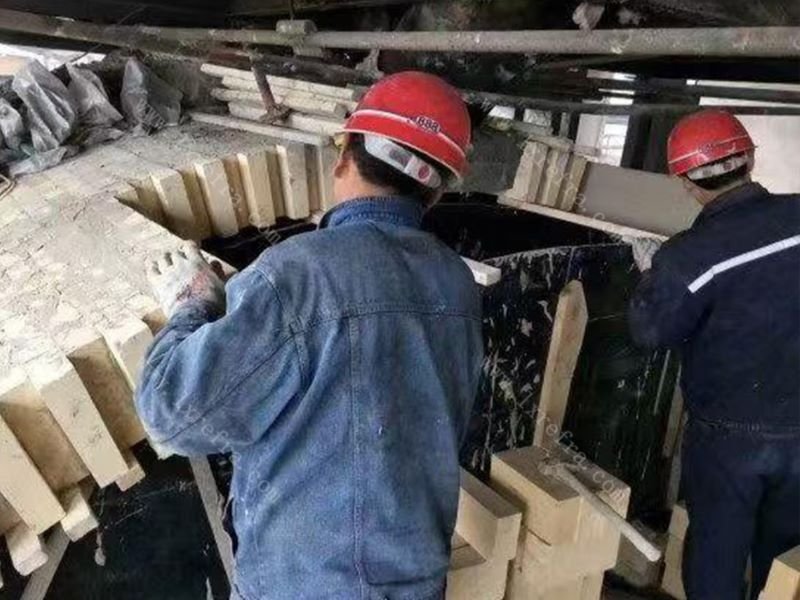
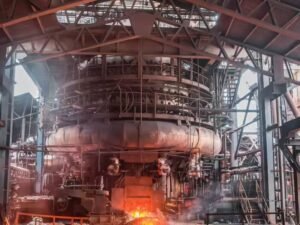
refractory bricks of blast furnace

1. Furnace Roof and Throat

High-alumina bricks (Al₂O₃ 65%-85%), clay bricks (Al₂O₃ 30%-45%, suitable for medium- and low-temperature furnace roofs).

2. Furnace Body (Upper/Middle/Lower)

Upper: High-alumina bricks (Al₂O₃ 65%-75%), clay-high-alumina composite bricks;

Lower Middle: Dense high-alumina bricks (Al₂O₃ 75%-85%), corundum-mullite bricks (Al₂O₃ ≥90%, suitable for large blast furnaces);

Special operating conditions (high-basicity slag): Magnesia-alumina spinel bricks (MgO 15%-30% + Al₂O₃ 60%-75%), with stronger resistance to slag erosion.

3. Furnace Waist and Abdomen

Corundum bricks (Al₂O₃ ≥95%), magnesia-alumina spinel bricks, corundum-silicon carbide bricks (Al₂O₃ 80%-90% + SiC 5%-15%).

4. Hearth (Sidewalls/Bottom)

Hearth sidewalls: Magnesia-carbon bricks (MgO 70%-80% + C 10%-20%), Alumina-magnesia-carbon bricks (Al₂O₃ 20%-30% + MgO 50%-60% + C 10%-15%), combining the slag resistance of magnesia with the thermal conductivity/impermeability of graphite;

Hearth bottom: Semi-graphite carbon bricks, graphite carbon bricks (C ≥90%), with a clay brick/high-alumina brick insulation layer at the bottom. The upper carbon brick layer must have low porosity and high bulk density to prevent molten iron penetration.

5. Tunnels (Tunnel Bricks/Surrounding Lining Bricks)

Silicon nitride-bonded silicon carbide bricks (Si₃N₄ 10%-20% + SiC ≥70%), reaction-sintered silicon carbide bricks (SiC ≥85%), and corundum-silicon carbide-carbon bricks in some applications.

6. Taphole/Slag Taphole (Trough/Lending Bricks)

Magnesium-carbon bricks (trough lining bricks), aluminum-carbon bricks (around the taphole), silicon nitride-bonded silicon carbide bricks (critical parts of the trough), and the core of the taphole is formed on-site using ramming mix (alumina-carbon, magnesia-carbon).

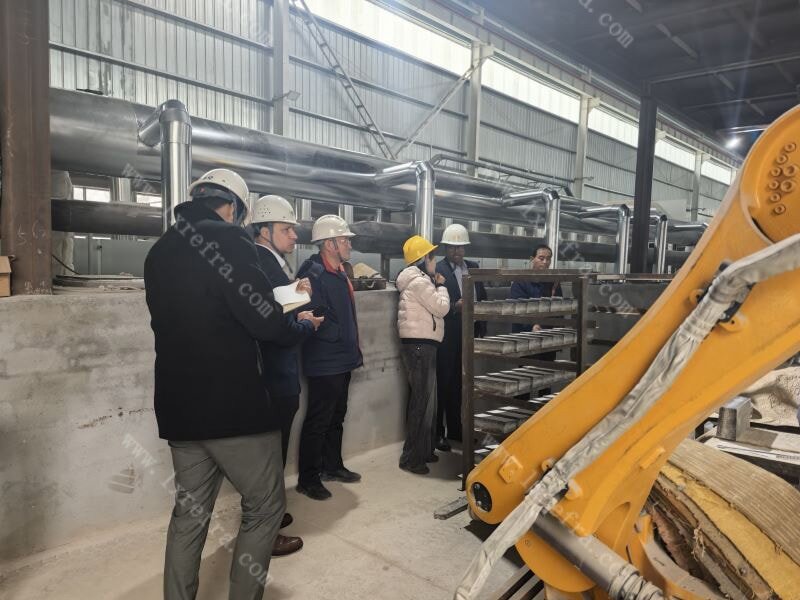
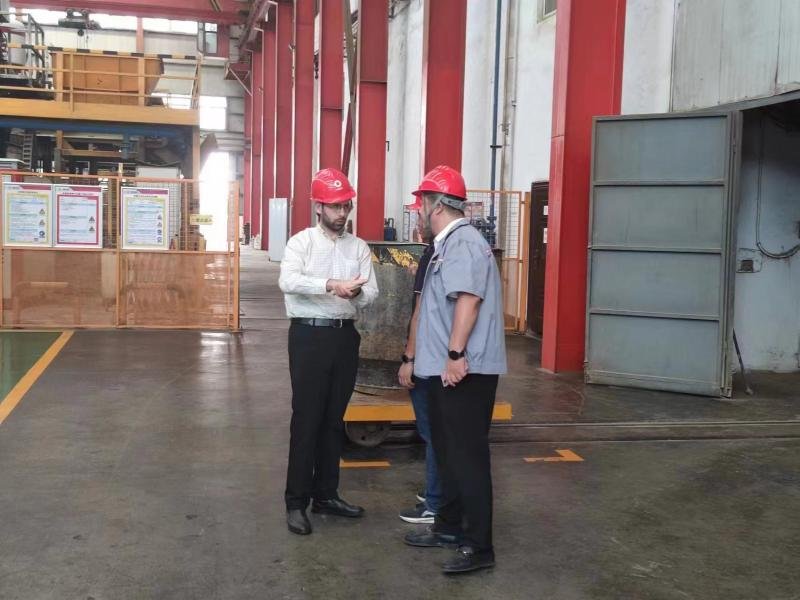
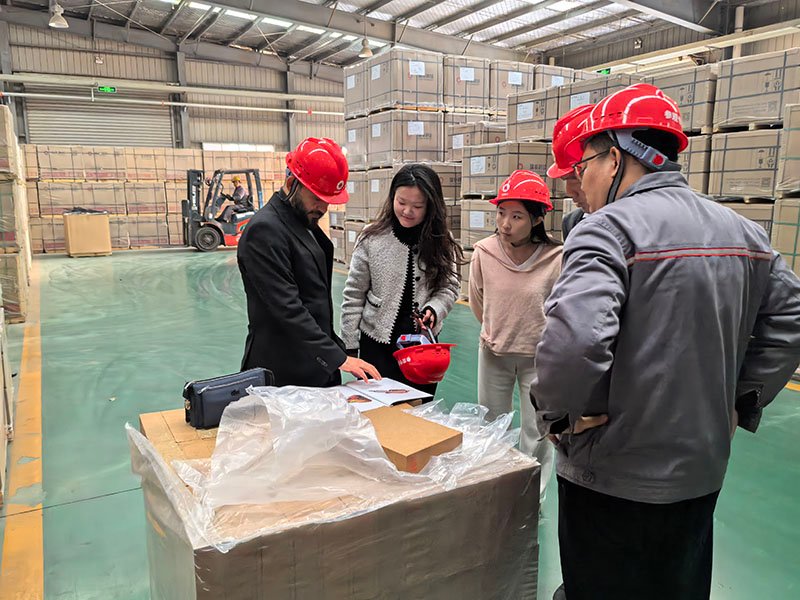
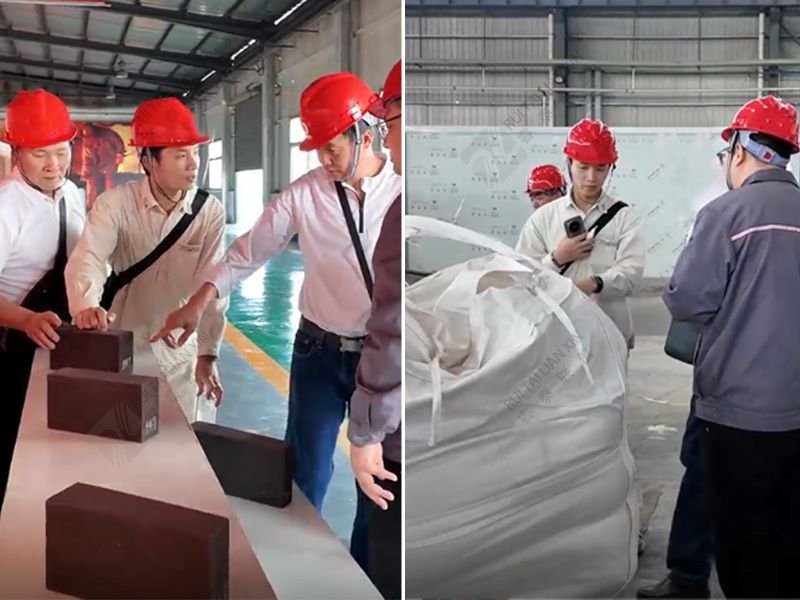
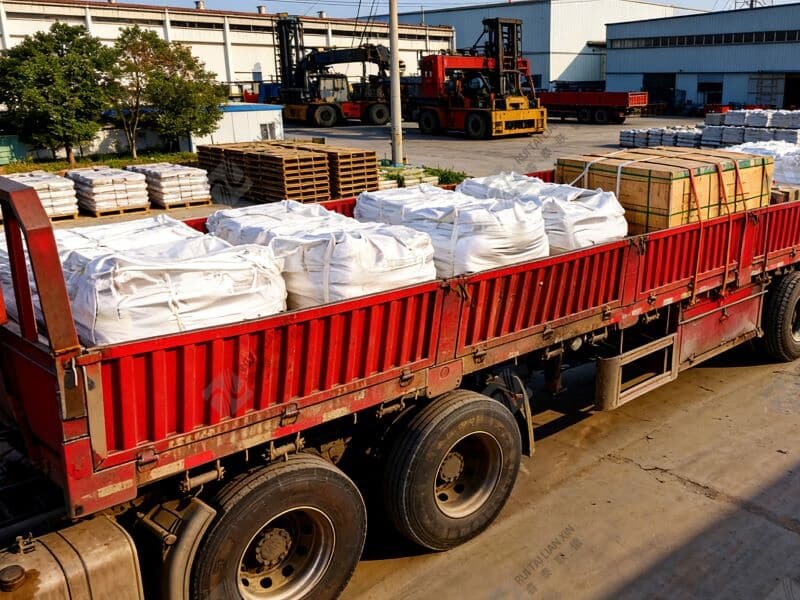
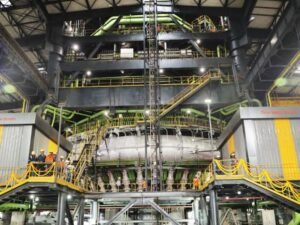
Ruitai Lianxin Customer Case

Contact Us