
Phosphate bricks are chemically bonded, non-fired refractory bricks. They use high-alumina bauxite clinker as aggregate and phosphate as a binder. Their key advantages are thermal shock resistance, abrasion resistance, spalling resistance, and alkali corrosion resistance. They are mainly used as furnace lining protective materials in areas of the kiln where temperature fluctuations are large and material erosion is severe.
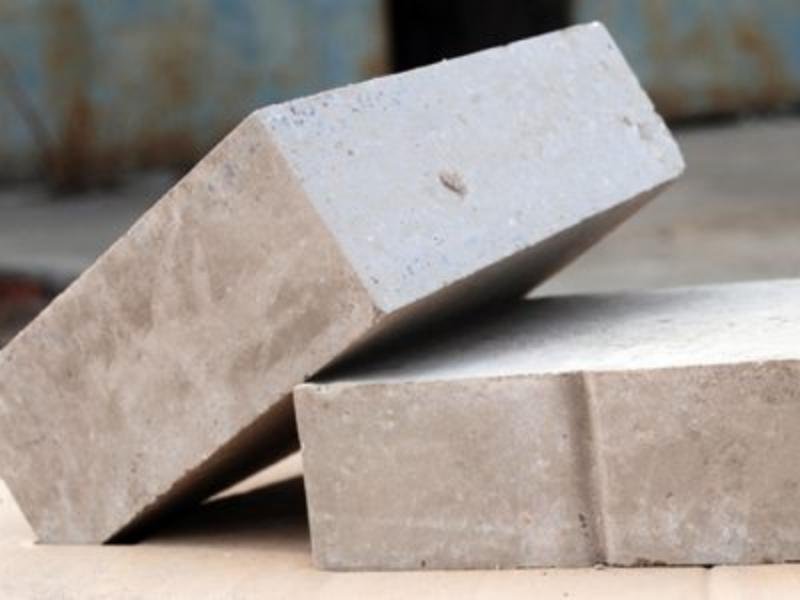
They are most widely used in cement rotary kilns, primarily in the kiln opening, kiln hood, cooling zone, grate cooler throat, preheater cone, and feed pipes. These areas experience high-speed clinker particle erosion and rapid temperature rises and falls during start-up and shutdown, making ordinary refractory bricks prone to cracking and spalling. Phosphate bricks, with their dense structure and high strength at medium and high temperatures, can resist particle abrasion and thermal shock, reducing brick falling accidents and extending the service life of the lining. Simultaneously, they possess good alkali resistance, resisting alkali vapor erosion within the kiln and mitigating brick cracking caused by alkali corrosion.
In kilns such as metallurgical kilns, lime kilns, and chemical roasting furnaces, phosphate bricks are used in locations such as furnace doors, flue linings, tertiary air duct bends, and vertical kiln bell mouths to withstand dust and airflow erosion and frequent temperature changes. These bricks have high strength at room temperature and require less kiln drying after installation, shortening the start-up cycle and making them suitable for thermal equipment requiring rapid production.
However, phosphate bricks have a limited softening temperature under load and are generally not used in high-temperature areas exceeding 1350℃, such as the kiln firing zone, nor are they suitable for strongly acidic media conditions. In practical engineering, they are often used in combination with high-alumina bricks; high-alumina bricks are used in high-temperature stable sections, while phosphate bricks are used in areas with severe wear and thermal shock, forming a composite furnace lining.
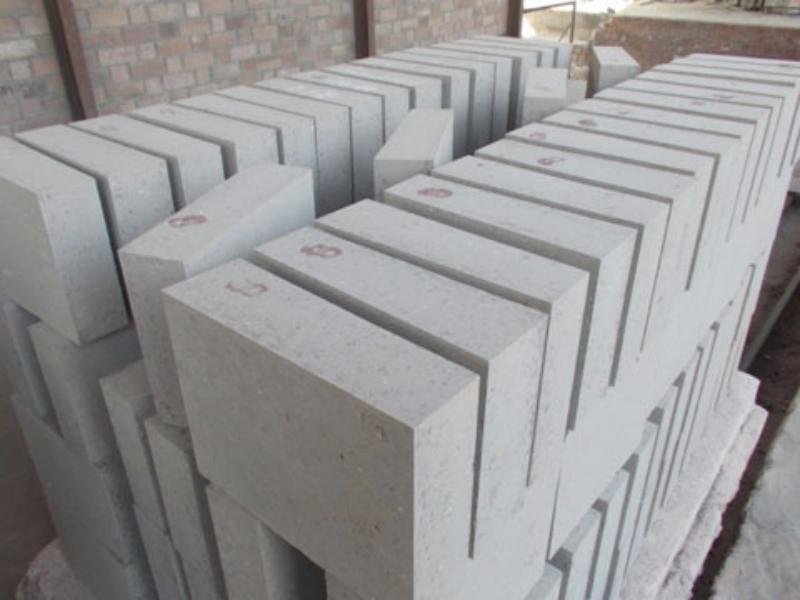
Overall, the core function of phosphate bricks is to protect the kiln’s steel structure, insulate against high temperatures, resist material erosion, alkali corrosion, and rapid heating and cooling damage, reduce maintenance frequency, and ensure continuous and stable kiln production.