
Phosphate refractory bricks are chemically bonded refractory materials made by using phosphates (such as aluminum dihydrogen phosphate and aluminum phosphate) as binders, combined with refractory aggregates such as corundum, mullite, and high-alumina bauxite, and then molding and undergoing low-temperature heat treatment. Their performance characteristics are mainly reflected in the following aspects:
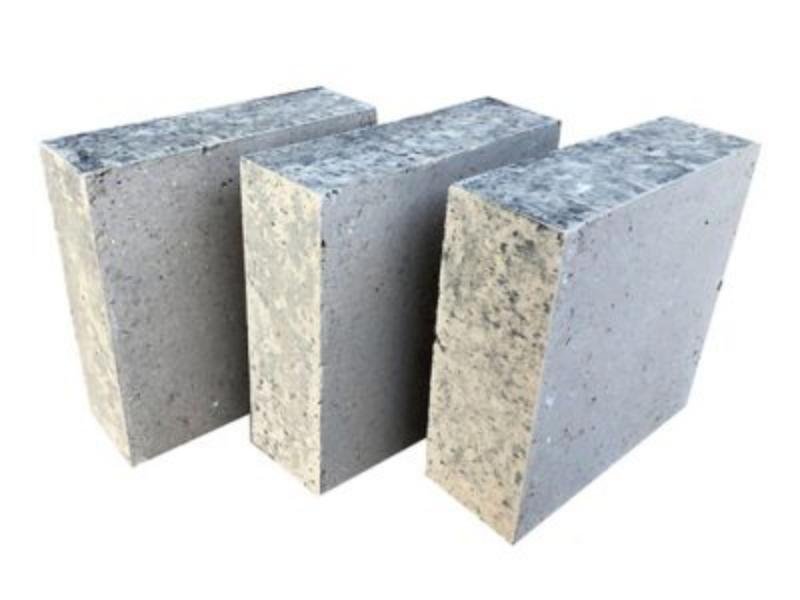
Outstanding Strength and Abrasion Resistance
Phosphate refractory bricks have a room temperature compressive strength of 80-150 MPa, far exceeding the 50-80 MPa of ordinary high-alumina bricks. Even at 1000℃, they retain over 60% of their strength. The abrasion resistance of phosphate-bonded abrasion-resistant bricks is among the best of aluminosilicate refractories, exhibiting strong resistance to material erosion and making them suitable for severely abrasive areas such as the transition zone and kiln mouth in cement rotary kilns.
Excellent Thermal Shock Resistance
Through the elastic bonding interface formed between the phosphate binder and the aggregate, phosphate refractory bricks achieve a thermal shock resistance (1100℃ water cooling cycle) of 50-80 cycles, while traditional clay bricks only withstand 10-20 cycles. This characteristic makes it less prone to peeling and damage in kilns with frequent temperature fluctuations.
Strong resistance to erosion
Phosphate refractory bricks are more resistant to alkaline substances and acidic media than clay refractory bricks and high-alumina refractory bricks, and can also withstand the chemical erosion of high-temperature melts such as molten iron and steel slag.
Adjustable load softening temperature
The load softening start temperature of ordinary phosphate refractory bricks is about 1350℃, while high-load softening varieties using aluminum dihydrogen phosphate as a binder can reach over 1400℃, and some patented products can reach 1500~1700℃.
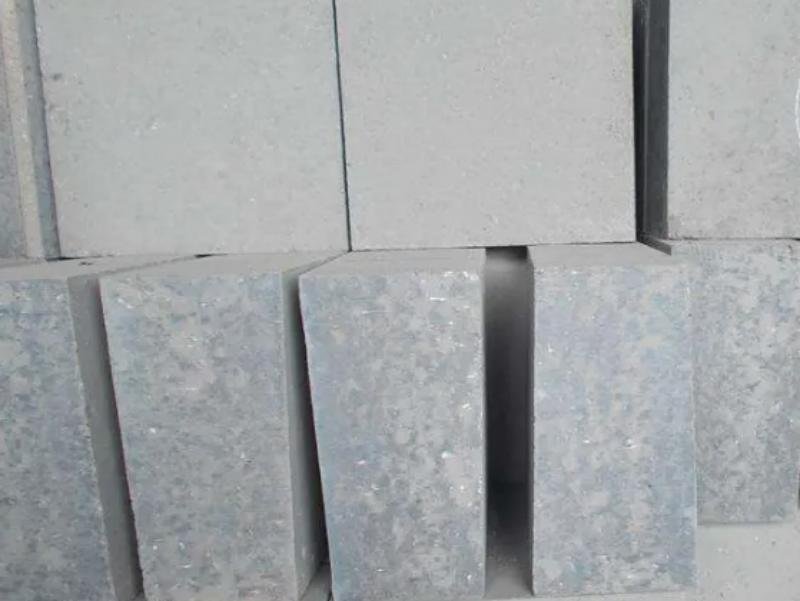
A non-fired product
Phosphate bricks can achieve strength through heat treatment at 400~600℃, without the need for high-temperature sintering, making the production process relatively energy-efficient. However, it should be noted that their high-temperature volume stability is slightly inferior to that of fired bricks, and expansive raw materials such as kyanite are usually introduced into the formula to compensate for shrinkage.