
Non-ferrous smelting kilns operate in complex environments, facing challenges such as molten metal erosion and alkaline dust corrosion. Magnesia bricks, as high-quality alkaline refractory materials, are commonly used for the lining of non-ferrous smelting kilns.
How to choose the right magnesia bricks for your kiln? Let’s discuss this question.
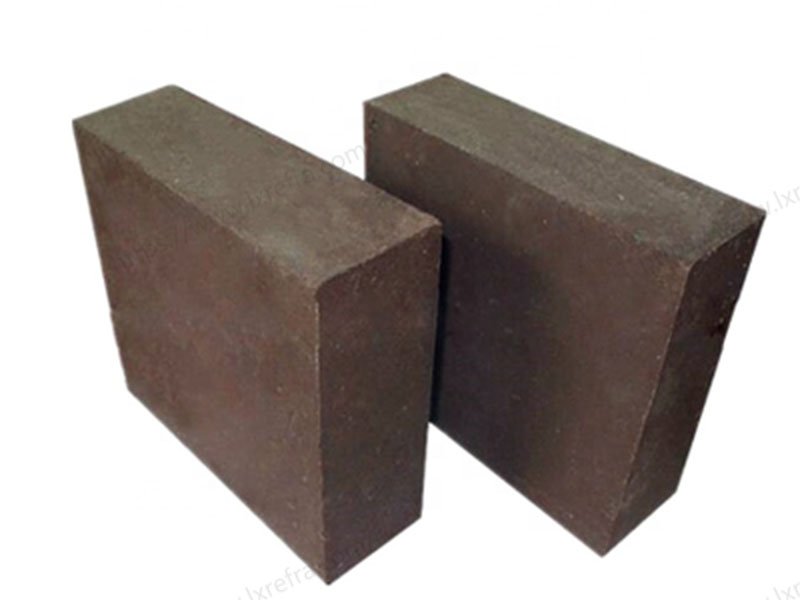
The primary principle of selection is to match the characteristics of the smelting medium.
Unlike steel kilns, non-ferrous smelting often produces low-melting-point and non-ferrous metal slags, which are both alkaline and slightly corrosive. Aluminum and copper smelting kilns operate under relatively stable conditions. And ordinary magnesia bricks with a magnesium content of around 85% can be used. These are sufficient to resist alkaline slag corrosion, suitable for operating temperatures of around 1400℃, and offer excellent cost-effectiveness.
However, high-temperature corrosive kilns such as copper flash furnaces and lead-zinc smelting furnaces require high-purity magnesia bricks or magnesia-chrome bricks. Their high-density structure effectively prevents the penetration and erosion of heavy metal slags.
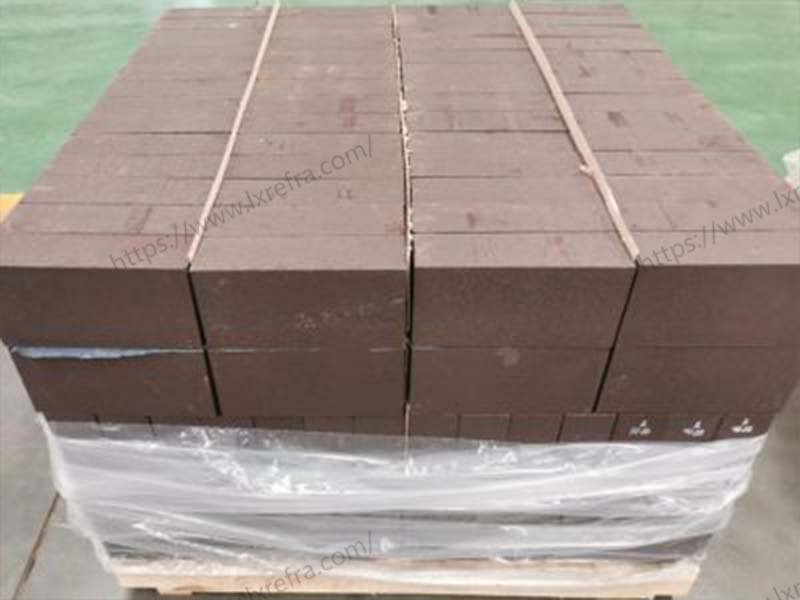
Selection should be based on the different operating conditions of each kiln zone.
The furnace bottom and slag line areas are in constant contact with molten metal and slag, resulting in severe erosion and wear. We should select high-density, low-porosity fused magnesia bricks.
For less critical areas such as flues, we can use ordinary magnesia bricks. Then reasonably control construction costs.
Precise matching of the smelting process and furnace body components is crucial to fully utilizing the performance of magnesia bricks and ensuring the safe, stable, and long-term operation of non-ferrous smelting kilns.