
Fire Corundum Bricks are essential for modern non-ferrous smelting operations due to their exceptional high-temperature resistance and superior mechanical strength. As a critical component in aggressive metallurgical environments, maximizing the lifespan of these refractory linings is vital for reducing furnace downtime, minimizing maintenance labor, and ultimately lowering overall operational costs for smelters.
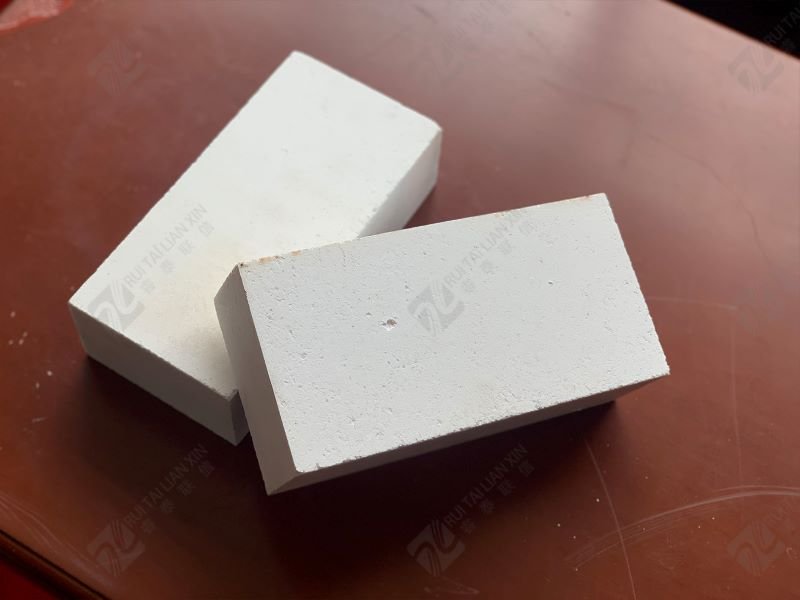
Precise Material Selection and Installation
The foundation of refractory longevity starts with precise material selection and professional installation. While traditional high-alumina bricks or magnesia bricks serve extremely well in general transition zones, the severe wear areas in non-ferrous smelters demand the specific high purity and density of a premium fire corundum brick.
During installation, ensuring tight joints and utilizing highly compatible refractory mortars is critical. This prevents molten metal and corrosive slag penetration, which is a primary cause of premature lining failure in high-temperature metallurgy furnaces.
Understanding Chemical Composition and Density
To truly extend the service life of your furnace, it is crucial to understand the firebrick’s structural parameters.
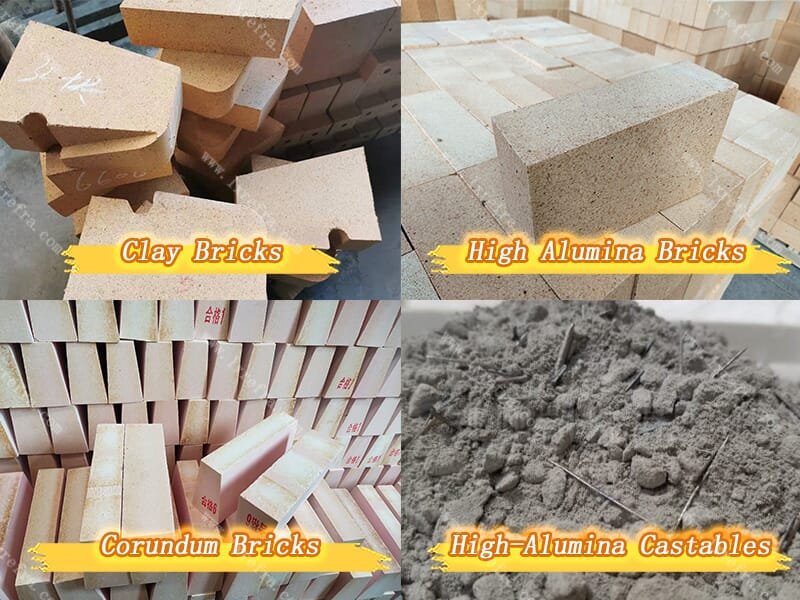
Dense fire corundum brick manufacturing involves rigorous pressing and high-temperature firing processes, which result in exceptionally high bulk density and low apparent porosity. This dense structural integrity, driven by a high Al2O3 (alumina) content, acts as your strongest physical barrier against the aggressive chemical erosion typically found in copper, aluminum, or zinc smelting operations.
Operating Temperature and Thermal Shock Management
Effective thermal management is another critical tip for smelter operators.
Heavy-duty fire corundum bricks offer excellent thermal stability, but rapid heating or cooling cycles can still induce severe structural stress over time. Smelters must implement gradual, strictly controlled temperature protocols during furnace startup and shutdown phases. Avoiding sudden temperature drops will protect the structural integrity and prevent the spalling of both your corundum linings and adjacent mullite bricks.
Regular Maintenance and Slag Control
Routine inspection and proactive maintenance significantly extend the service life of any furnace lining. Operators should carefully and continuously monitor the chemical composition of the smelting slag. Highly acidic or overly basic slag can rapidly accelerate chemical erosion.
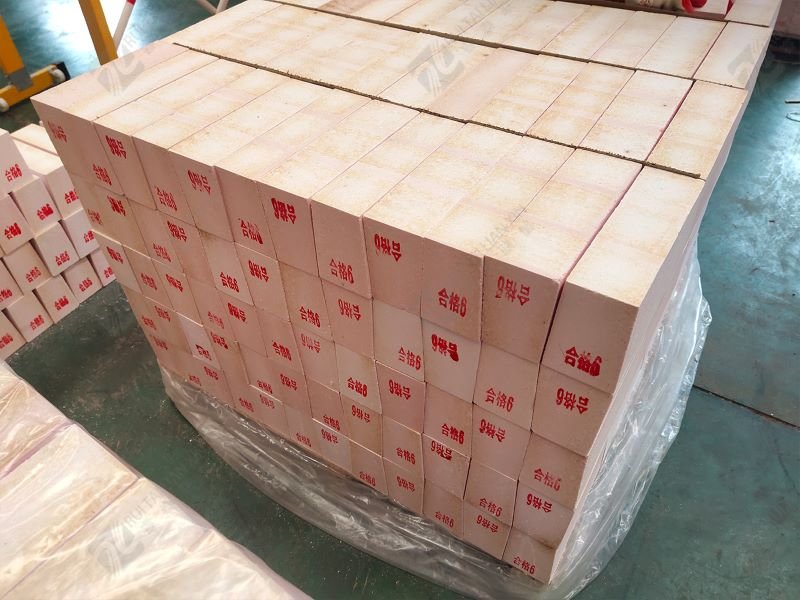
By optimizing the smelting process parameters and performing timely patching using advanced refractory castables, you can successfully maintain the protective working layer of the high-temperature fire corundum brick for a much longer operational cycle.
Choose a Reliable Manufacturer
At Henan Ruitai Lianxin Refractory Materials Co., Ltd., we are committed to providing top-tier, long-lasting industrial refractory solutions to global buyers. Our rigorous laboratory testing and ISO-standard quality inspections ensure that every high-purity fire corundum brick we export meets the extreme demands of the non-ferrous metallurgy industry. We ensure safe international transit using standard fumigated wooden packaging with a reliable 15-30 day global delivery window.
Whether you require corundum blocks, silica bricks, or customized high-zirconium solutions, our technical team is ready to help you optimize your furnace performance and maximize your investment.