
For industries like ceramics, cement, steel, or glass—how long your kiln lasts is super important. It directly affects how much you spend and how well you produce. Kiln bricks are the key material for the kiln’s lining. They’re made to handle really tough conditions. But these bricks cracking is pretty common, and that makes them fail way earlier than they should.
●Why kiln bricks crack
It’s not an accident when these bricks crack. Most of the time, it’s because the bricks can’t take the high heat, high pressure, or chemical damage anymore.
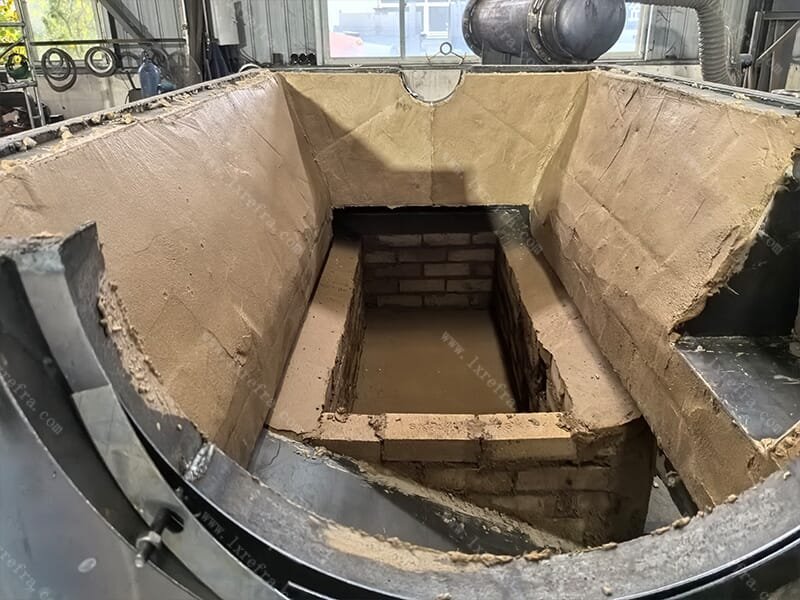
(1) Thermal shock
This is the main reason. If you heat the kiln too fast when you start it up, or cool it down too quick when you shut it off, the brick’s surface expands or shrinks faster than the inside. That stress makes the bricks crack—sometimes even pieces fall off.
(2) Overheating
If the kiln gets hotter than the bricks can handle, the bricks will get soft or change in a way you can’t fix. Once they’re soft, the weight of the bricks on top will make them crack.
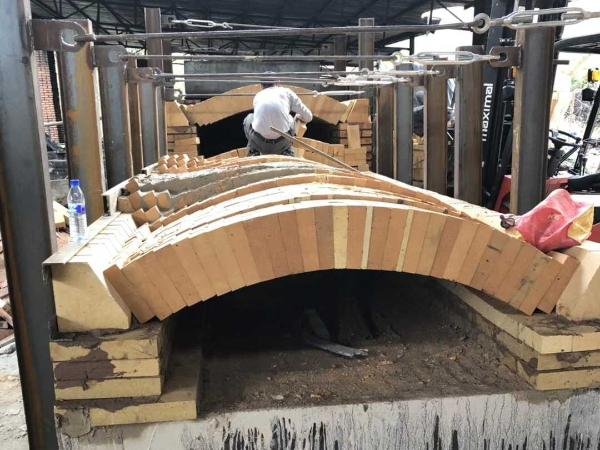
(3) Mechanical stress
Putting the bricks in wrong can cause big problems. Like, if you lay them too tight and don’t leave space for them to expand, they won’t have room to grow when it gets hot. The pressure from that will make the bricks crack, or even make the whole kiln lining bend and get messed up.
(4) Chemical damage
If the bricks are exposed to slag, fuel ash, or the gases from the process, the surface of the bricks changes chemically. That creates a brittle layer that cracks and peels off easy when the temp changes.
●How to keep bricks from cracking
Stopping cracks before they happen is cheaper than fixing them later. Do these things, and your kiln’s lining will last a lot longer.
(1) Choosing the right bricks
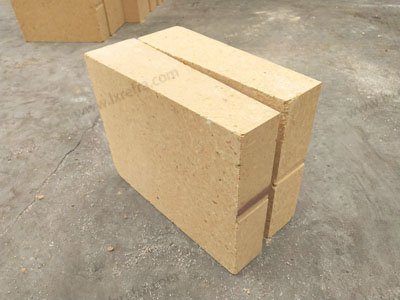
Not all refractory bricks work for every kiln. Make sure the ones you pick fit your kiln’s temperature and the chemicals it deals with. For example, if you need bricks that can handle quick temperature changes, use high-alumina bricks—they don’t get damaged early as easily.
(2) Proper heating and cooling
Stick strictly to the kiln’s drying and heating steps. Don’t let the temperature jump up fast. Heating it slowly lets the bricks expand evenly, so there’s less stress on them.
(3) Get professional installation
Make sure the people laying the bricks leave expansion joints, and fill those joints with ceramic fiber or cardboard. These joints soak up the expansion, so the bricks don’t squeeze each other and crack.
(4) Regular checks
Check the bricks now and then, so you can spot small cracks early on. You can fix those tiny cracks with high-temperature coating—this way, they won’t get bigger and mess up the whole structure.
Cracks tell you the bricks are getting too much stress, but it’s not something you can’t avoid. If you use good quality refractory bricks, and do the right things when putting them in and using the kiln, the bricks will stay tough and hold up.
If you need tough kiln bricks that work for your specific factory needs, our tech guys can help you out. Just hit us up to learn more about our refractory solutions.