
Fire bricks, with their high-temperature resistance, corrosion resistance, and low thermal conductivity, are the core material for kiln linings and are widely used in metallurgy, building materials, chemicals, ceramics, and many other industries, adaptable to different kiln types with varying operating conditions.
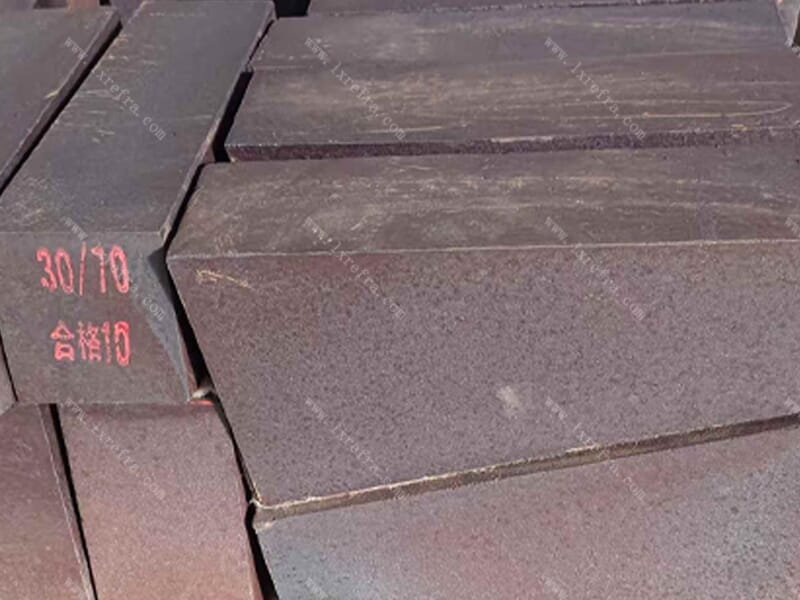
The metallurgical industry is the primary application area for fire bricks. Blast furnace linings in ironmaking extensively use clay-based and high-alumina bricks to withstand the high temperatures (above 1500℃) and erosion from the furnace charge during iron ore smelting. Steelmaking converters and electric furnaces require high-grade fire bricks. Such as magnesia-carbon brick to withstand the high-temperature erosion and severe impact of molten steel. Furthermore, non-ferrous metal smelting kilns, such as aluminum electrolysis cells and copper smelting furnaces, also rely on fire bricks to construct protective layers, preventing damage to the equipment from high-temperature molten metal.
The building materials industry has a huge demand for fire bricks in its kilns. Cement rotary kilns are a typical example. From the preheating section to the firing zone, they use clay bricks, high-alumina bricks, and magnesia-chrome bricks to adapt to the temperature gradients of different sections (up to 1450℃), ensuring the smooth calcination of cement clinker. Glass kilns often use silica bricks and fused zirconia-corundum bricks for lining, which withstand the high temperatures and alkaline corrosion during glass melting, ensuring stable glass quality.
Ceramic and refractory material production kilns also rely heavily on fire bricks. High-alumina bricks and cordierite bricks are commonly used in the firing zone of ceramic kilns (tunnel kilns and roller kilns) to withstand high temperatures and reduce damage caused by thermal expansion and contraction, ensuring the sintering of ceramic blanks. Downdraft kilns and shuttle kilns used in refractory material production require high-quality fire bricks for cyclical high-temperature firing of refractory products.
Special kilns in the chemical industry also rely on fire bricks for protection. In fertilizer production, refractory bricks are used in gas generators and ammonia synthesis furnaces to withstand the high temperatures of gas combustion and the corrosion of chemical media. Calcium carbide furnaces and carbon black furnaces require corrosion-resistant and high-temperature-resistant refractory bricks to ensure the stable synthesis reactions of chemical raw materials.
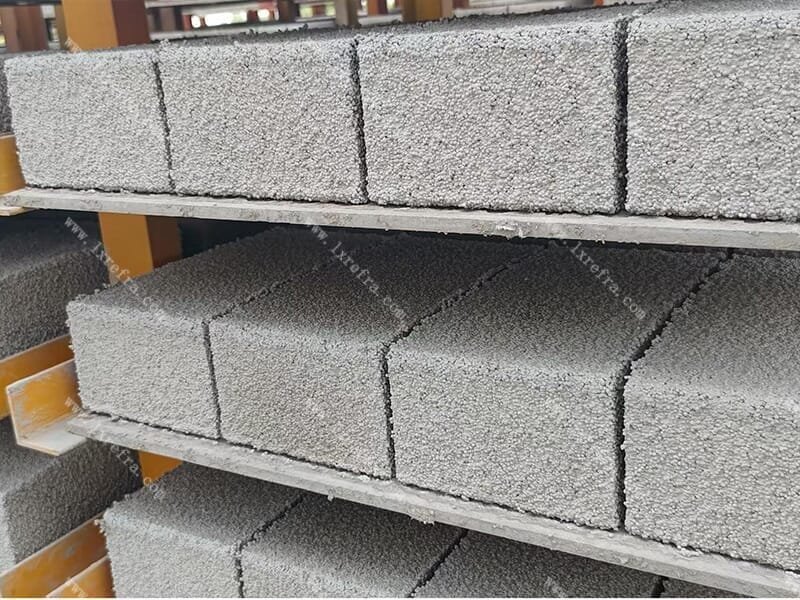
In summary, the application scenarios of fire bricks are highly compatible with the operating conditions of kilns. Their materials and specifications must be precisely selected based on the kiln temperature, media, and stress conditions, making them a crucial guarantee for the safe and efficient operation of various high-temperature kilns.