
Reverberatory furnaces heat materials by reflecting high-temperature gases and are widely used in metallurgy, chemical engineering, and other fields. The choice of refractory materials directly determines their service life, operational stability, and production efficiency, and is crucial for efficient equipment operation.
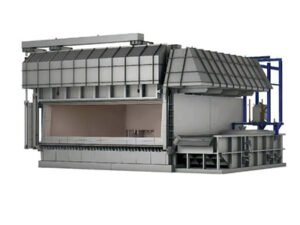
1. Furnace Bottom: The cornerstone that bears the heat load
Working Environment: Bears the weight of the material, temperatures of 1000°C-1500°C, chemical attack, and mechanical impact.
Optional Materials: Magnesia Bricks (resistant to alkali slag and thermal shock), Magnesia-Fe Bricks (resistant to corrosion and high-temperature strength), and Castables (good integrity and easy construction).
Critical Selection: Based on the material properties, temperature, and degree of corrosion within the furnace.
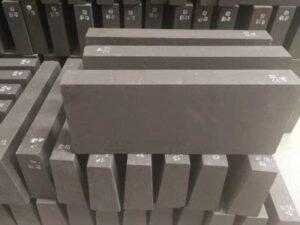
2. Furnace Walls: A barrier against thermal attack
Working Conditions: The upper portion is subjected to flames of 1300°C-1600°C, while the middle and lower portions are subject to material friction and slag corrosion.
Applicable Materials: High-alumina Bricks (high refractoriness and thermal shock resistance) and Magnesia-alumina Bricks (resistant to corrosion and thermal shock).
Key Points for Selection: Consider the furnace atmosphere, corrosive media, and regional temperature differences.
3. Furnace Roof: The Vanguard Facing Direct Heat Radiation
Operating Characteristics: Arched or suspended roof structure, withstands high-temperature radiation of 1600°C-1800°C, mechanical stress, and thermal shock.
Common Materials: Silica bricks (high refractoriness and acid slag resistance), magnesia-alumina bricks (high high-temperature strength), and corundum bricks (extremely high refractoriness and corrosion resistance).
Selection Strategy: Match the furnace type with process requirements, balancing high-temperature resistance and structural stability.
4. Flue: The passage for exhausting hot exhaust gases
Environmental Challenges: Subject to 500°C-1000°C exhaust gases containing corrosive gases and dust.
Suitable Materials: Clay bricks (low cost, wear resistance), lightweight mullite bricks (excellent thermal insulation), and lightweight silica bricks (acid corrosion resistance).
Selection and Maintenance: Consider flue gas temperature, corrosiveness, and material weight, and regularly inspect and clean accumulated dust.
5. Summary and Outlook
Material selection for each component requires comprehensive consideration of factors such as temperature, atmosphere, and corrosion, ensuring targeted matching. Future development will focus on high-performance, environmentally friendly, and energy-saving refractory materials to further enhance the operational efficiency of reverberatory furnaces.