
High-quality refractory fire bricks can have a service life of several years or even more than a decade. However, improper use can easily cause them to fail within a few months. In fact, through scientific management methods, their service life can be extended.
1. Material selection strategy to match working conditions
Tailoring materials to specific conditions is paramount. Differences in operating conditions dictate material selection.
(1) High-Temperature Zones
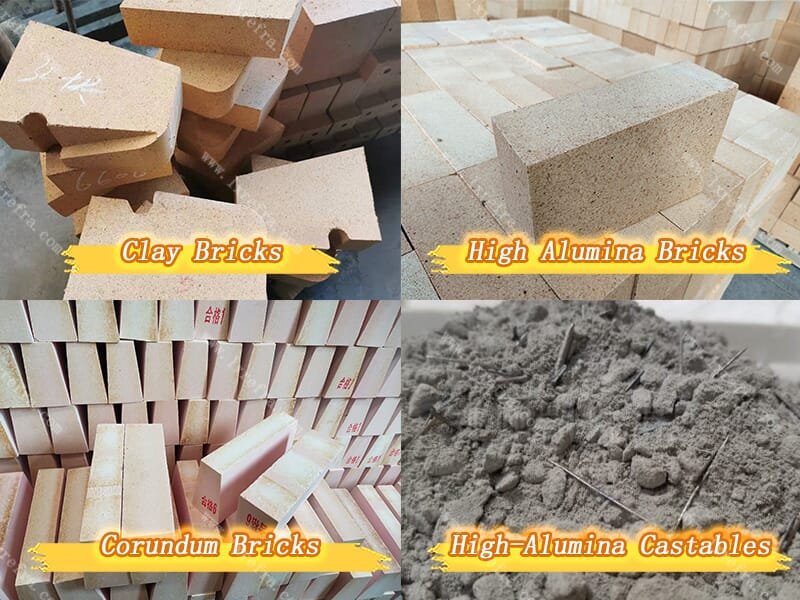
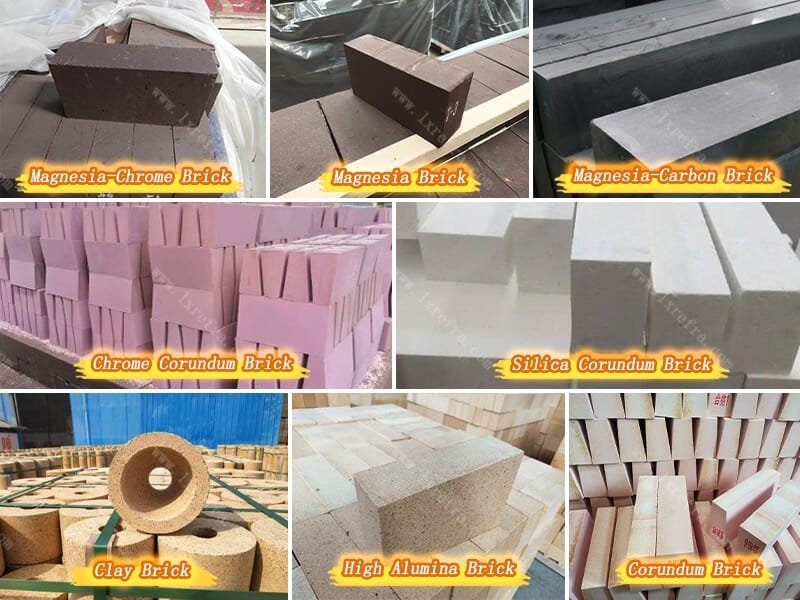
Temperatures in high-temperature areas such as furnaces can reach 1700℃, requiring high-alumina or corundum bricks.
(2) Highly Corrosive Zones
Glass melting furnaces and other kilns experience severe chemical corrosion. For these kilns, refractory bricks with superior slag resistance, such as zirconium corundum or magnesia-chromium, are preferred to resist intense chemical corrosion.
(3) Zones with Rapid Temperature Fluctuations
For areas with frequent temperature fluctuations, the core consideration is the thermal shock resistance of the material to prevent cracking caused by sudden temperature changes.
2. Refined Masonry Techniques
The quality of the masonry directly determines the solidity of the refractory fire brick foundation.
(1) Tight Joints
It is essential to use matching refractory mortar to strictly limit the width of the brick joints to within 1-2 mm. Excessively large joints easily become entry points for molten slag and gas erosion.
(2) Expansion Allowance
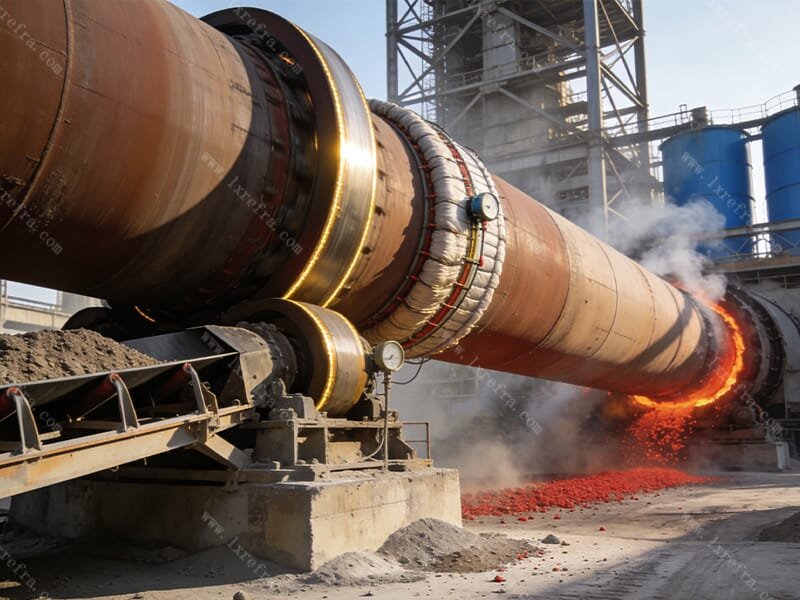
Refractory bricks undergo significant volume expansion when heated. Therefore, expansion joints must be precisely reserved to provide space for thermal expansion of the bricks.
3. Standardized Control and Management
(1)Smooth Temperature Transition
During the furnace drying and shutdown cooling stages, the temperature rise and fall curves must be strictly followed. Rapid heating or cooling can cause thermal stress within the brickwork, leading to spalling and cracking.
(2) Avoid Physical Impact
During charging or slag removal operations, movements should be gentle to avoid direct mechanical impact and physical damage to the furnace lining.
(3) Stabilize Process Parameters
Maintain stable furnace temperature and pressure as much as possible to reduce the impact of drastic fluctuations on the materials.
4. Preventive Maintenance Mechanism
(1) Regular Inspection and Repair
Make full use of downtime for maintenance to conduct a thorough inspection of the furnace lining. If micro-cracks are found, repair them promptly with refractory spray coating to prevent small hidden dangers from escalating into major accidents.
(2) Utilizing the “Protective Layer”
During operation, some high-temperature kilns will form a kiln skin or glaze layer on the brick surface. Cleverly utilizing this “armor” can isolate materials from flue gas erosion.
Extending the service life of refractory bricks depends on the closed-loop management of four key aspects: material selection, construction, operation, and maintenance. Only through rigorous and scientific systematic management can we ensure that every brick is used to its fullest potential, laying a solid foundation for smooth production.