
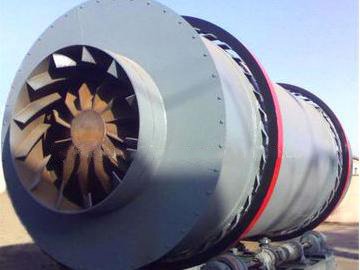
Converter furnace bricks are all alkaline refractory materials, primarily designed to withstand the high temperatures of 1600-1800℃ during converter smelting, the intense erosion from molten steel and slag, and the mechanical impact from furnace tilting. Selection is based on the specific operating conditions of different parts of the converter, and they are divided into two main categories: shaped furnace bricks and unshaped furnace refractories. Each type of brick has a clear function and works synergistically to ensure stable converter operation.
1.Magnesia bricks
Magnesia bricks are commonly used as the basic lining bricks in converters. They are mainly composed of high-purity periclase with extremely low impurity content and a melting point as high as 2800℃. They possess excellent refractoriness and resistance to alkaline slag erosion, strong chemical stability, and are not easily reacted with molten steel or slag. They are mainly used as the permanent layer of the converter, directly adhering to the metal furnace shell, playing a crucial role in isolating high temperatures and protecting the furnace shell, with a service life of 1-2 years. However, a fatal flaw of magnesia bricks is their poor thermal shock resistance; they are prone to cracking and spalling when temperatures rise or fall rapidly. Therefore, it is not suitable for areas with drastic temperature fluctuations, such as furnace openings and tapholes.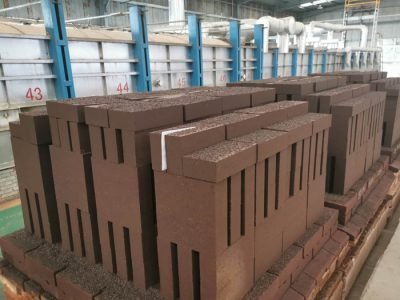
2.Magnesium dolomite bricks
Magnesium dolomite bricks are the preferred brick material for converter working layers. The MgO content is between that of dolomite bricks and magnesia bricks, with optimal overall performance achieved when the MgO/CaO ratio is controlled at around 80/20. It combines the erosion resistance of magnesia bricks with the resistance to rapid heating and cooling of dolomite bricks, exhibiting good toughness to withstand temperature fluctuations during converter smelting while effectively resisting the erosion of FeO and MnO in the slag. It is commonly used in areas with severe erosion and frequent temperature changes, such as converter slag lines and trunnions, offering outstanding cost-effectiveness and being one of the most widely used brick materials in converter working layers.
3.Magnesium-carbon bricks
Magnesium-carbon bricks are a specialized high-end brick material for highly eroded areas of converters. They are made with high-quality magnesia as the matrix and mixed with 10%-20% flake graphite. The addition of graphite not only improves the brick’s high-temperature resistance but also significantly enhances its thermal shock resistance and spalling resistance, while retaining the excellent erosion resistance of magnesia. Magnesia-carbon bricks are commonly used in critical areas such as the converter taphole, around bottom-blown gas supply components, and the furnace hood. These areas are in direct contact with high-temperature molten steel and high-velocity slag, resulting in extremely rapid corrosion. Magnesia-carbon bricks effectively extend the service life of these areas and reduce maintenance frequency.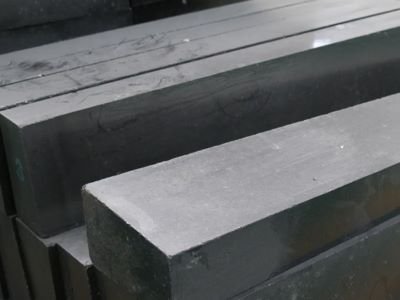
4.Lightly calcined oil-impregnated bricks
Lightly calcined oil-impregnated bricks are an improved product of dolomite bricks. Through an asphalt impregnation process, the porosity of the bricks is effectively reduced, solving the problems of easy water absorption and deliquescence, and insufficient strength of ordinary dolomite bricks. With a carbon content of 5%-6%, their erosion resistance and wear resistance are superior to ordinary dolomite bricks, and their cost is relatively low. They are mainly used for auxiliary protection of the hot surface of the converter working layer, filling the compatibility gap between magnesia-dolomite bricks and magnesia-carbon bricks.
Furthermore, unshaped refractory materials are used to fill brick joints and irregularly shaped areas of the furnace body to compensate for the assembly gaps of shaped bricks, enhance the overall integrity of the furnace lining, and further improve the service life and stability of the converter lining. Through scientific zoning and laying of various furnace brick materials, an optimal balance between furnace lining life and operating costs is achieved.