
In high-temperature industrial environments, the stability of furnace lining materials directly affects equipment lifespan, energy consumption, and production safety. Whether it’s steel smelting, cement rotary kilns, or heat treatment furnaces, high-quality furnace bricks are key materials.
High-temperature furnaces typically operate at temperatures ranging from 800°C to 1700°C or even higher. Refractory materials not only need to withstand continuous high temperatures but also need to possess good thermal shock resistance, compressive strength, and resistance to chemical erosion. Therefore, it is crucial to select refractory bricks appropriately.
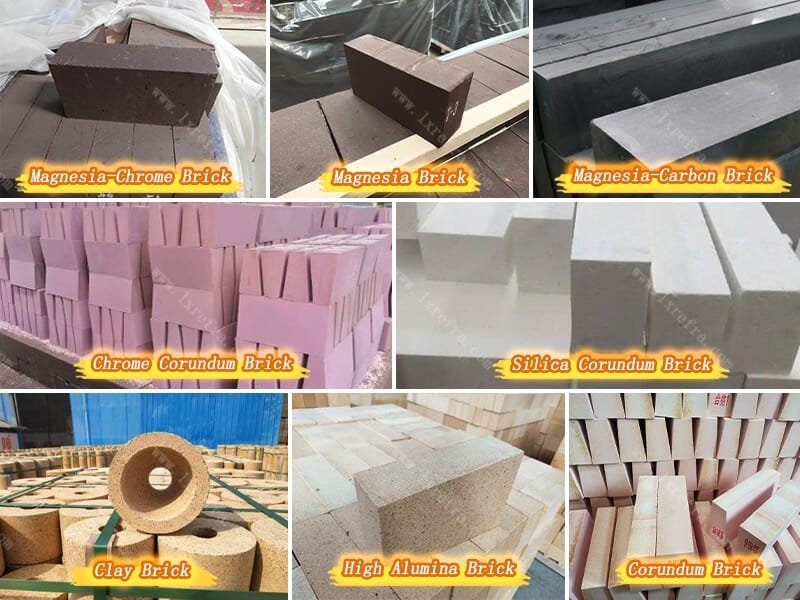
1. Common types of refractory bricks for high-temperature furnaces
(1) High-alumina furnace bricks
High-alumina bricks are among the most widely used refractory bricks. Its alumina content is usually above 48%. High-alumina bricks have high refractoriness and strong load-bearing capacity. Therefore, it is mainly suitable for parts with high stress and high temperature, such as heating furnaces, ladles and rotary kilns.
(2) Clay refractory bricks
Refractory clay bricks are suitable for medium-temperature environments. It has good thermal shock stability and cost-effectiveness advantages.It is commonly used in the sub-high temperature zone of the furnace body or as a backup lining material, and is a basic configuration of many industrial furnaces.
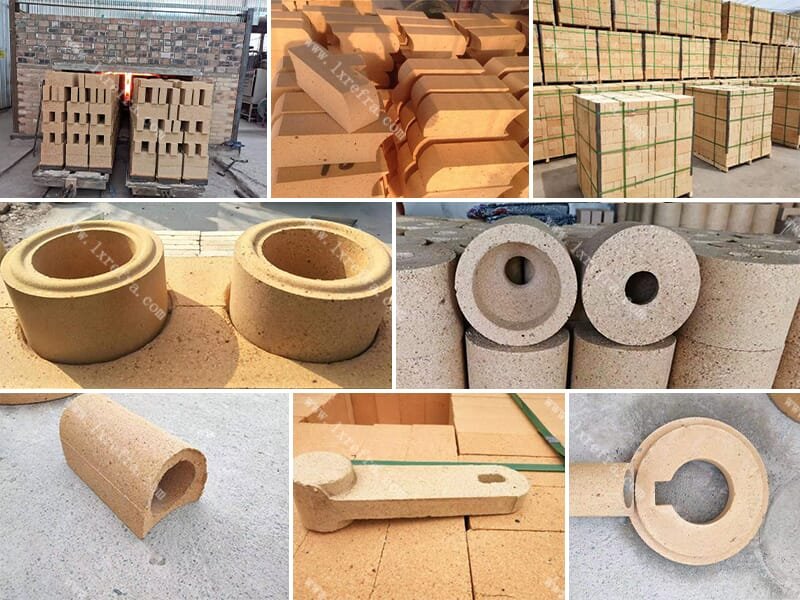
(3) Lightweight thermal insulation bricks
Lightweight insulating bricks are widely used in furnaces with high energy-saving requirements. Lightweight insulating bricks have low thermal conductivity and are lightweight, which can effectively reduce heat loss and improve fuel utilization efficiency. Therefore, it is typically used in insulation layers or heat treatment equipment.
(4) Magnesia refractory bricks
Magnesia bricks are used in alkaline environments or steel smelting furnaces due to their excellent resistance to alkaline slag erosion.
It is suitable for highly corrosive working conditions such as electric furnaces and converters.
2. How to select suitable furnace bricks
When selecting furnace bricks, one should not only consider the maximum service temperature, but also take into account the following factors:
① Actual operating temperature range
② Furnace atmosphere (oxidizing or reducing)
③ Mechanical load conditions
④ Is there chemical corrosion?
⑤ Energy saving requirements
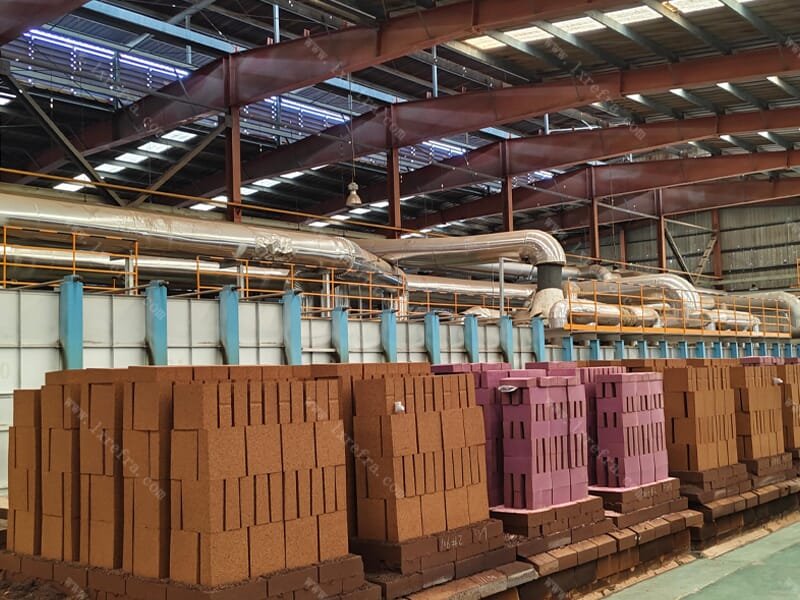
In practical engineering, various types of furnace bricks are usually used in combination according to the working conditions of different areas in order to achieve a balance between performance and cost.
High-quality furnace bricks can not only extend the service life of the furnace, but also reduce maintenance frequency and energy consumption. For high-temperature industrial furnaces, selecting suitable materials and stable suppliers is an important prerequisite for ensuring long-term operational efficiency.
Henan Ruitai Lianxin Refractory Materials Co., Ltd. has 20 years of experience in refractory material production. It can not only provide customers with high-quality refractory bricks that meet the required standards, but also provide the most suitable kiln operating conditions solutions. Please feel free to contact us if you have any needs.
Choosing Ruitai Lianxin is choosing strength.