
Kiln bricks for non-ferrous metal smelting are core refractory materials supporting the smelting processes of aluminum, copper, lead, and zinc. Because they directly determine the service life and production safety of the kiln. and They are indispensable basic consumables in the metallurgical industry.
They must withstand the harsh conditions of smelting processes, including high temperatures of 1400-1800℃, slag erosion, molten metal penetration, and frequent thermal shock. So their performance requirements far exceed those of ordinary refractory bricks.
Different smelting scenarios require specific kiln bricks:
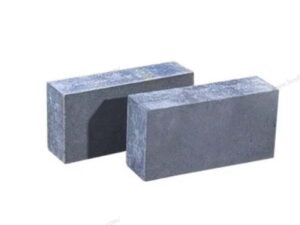
The sidewalls of aluminum electrolytic cells use silicon nitride-bonded silicon carbide bricks to resist cryolite molten salt erosion.
The flash slag line area of copper smelting use magnesia-alumina spinel bricks to replace high-pollution magnesia-chrome bricks to meet environmental protection requirements.
The high-temperature zone of lead-zinc volatilization kilns use high-alumina bricks combined with special castables.
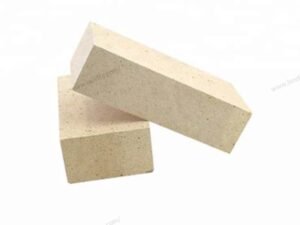
These bricks are precisely proportioned to balance high-temperature resistance, erosion resistance, and chemical stability.
Choose high-quality kiln bricks
The industry is currently trending towards chromium-free and high-performance materials, with spinel-based and silicon carbide-based composite materials being widely used. Then the application of monolithic precast components continues to increase due to their ease of construction and strong integrity.
High-quality kiln bricks can extend kiln maintenance cycles, reduce operating costs, and decrease pollutant emissions, thus contributing to green smelting.
As a “protective barrier” for smelting processes, the research and application upgrades of kiln bricks not only ensure continuous and stable production but also promote the high-quality development of the non-ferrous metals industry towards high efficiency, environmental protection, and low carbon emissions.