
Refractory fire bricks are indispensable materials in high-temperature environments such as kilns and boilers. Many people are concerned about their price, but there is no fixed price for refractory bricks. The price of a single brick ranges from a few cents to tens of yuan, primarily influenced by the material, specifications, and order quantity.
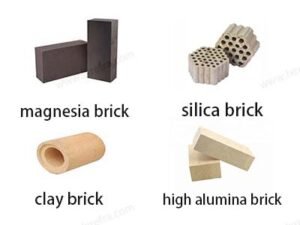
Refractory Fire Brick Price: Material Determines Core Value
Common Material: Cost-Effective Choice
The most common clay refractory fire bricks are relatively affordable. Calculated by ton, the ordinary type costs about 500 yuan/ton, which translates to about 0.3 to 0.5 yuan per standard block (230×114×65mm).
These bricks are suitable for small kilns with lower temperatures and are commonly used in the renovation of traditional earthen stoves in rural areas.
High-End Material: Performance Determines Price
High-alumina refractory fire bricks vary significantly in price depending on their alumina content. Those with 55% alumina content cost about 1 yuan per brick; those with 80% alumina content can sell for over 3 yuan per brick.

Magnesium-carbon bricks used in steel plants are even more expensive, sometimes exceeding 10 yuan per brick. These types of bricks can withstand temperatures above 1700℃, have strong corrosion resistance, and are essential for industrial applications.
Refractory fire bricks versus other bricks: Different uses, different prices
Sintered clay bricks commonly used in home renovations cost only 0.2 to 0.4 yuan per brick and are mainly used for wall construction, but their fire resistance temperature is only around 800℃, and they cannot replace refractory bricks. Anti-slip tiles for flooring are slightly more expensive, costing 3 to 8 yuan per brick, but they lack high-temperature resistance.
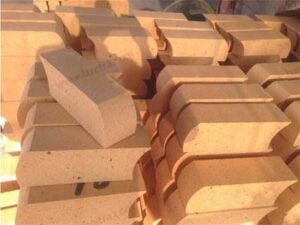
There are also lightweight insulating bricks, costing 1.5 to 4 yuan per brick, with good insulation but low strength. They are often used in combination with refractory fire bricks—refractory fire bricks form the inner layer for high-temperature protection, and insulating bricks form the outer layer to reduce heat loss. The functional boundaries of different bricks are clear; choosing the right one is key.
Buying refractory fire bricks: Don’t just look at the unit price
When purchasing, the order quantity will affect the unit price. Retail orders of less than 1000 bricks may be 20% more expensive than bulk purchases. Irregularly shaped bricks, because they require custom molds, will be more than 50% more expensive per brick than standard bricks. The choice of refractory fire bricks is never about choosing the cheapest option. Using inferior bricks in high-temperature environments can lead to safety accidents.
If you are planning kiln construction or equipment maintenance, it’s advisable to first determine the operating temperature and conditions, and contact reputable manufacturers for samples and test reports. Choosing the right refractory fire bricks ensures safe equipment operation and reduces subsequent maintenance costs. Take action now and select the right “firewall” for your project! Feel free to contact us anytime!