The Kaldor furnace, an important piece of equipment in modern metallurgical industry, achieves rapid smelting through furnace rotation, and its internal environment places extremely stringent requirements on refractory materials. Therefore, the selection of suitable fire bricks is directly related to the furnace lining life and production cost.
1. The harsh operating conditions of the Kaldor furnace
The Kaldor furnace is not only subjected to high temperatures, but its unique tilting and rotating mechanism also exacerbates mechanical wear.
When the furnace body rotates at high speed, the molten metal and slag inside the furnace form a violent turbulent flow, which continuously erodes the furnace lining. This requires high-quality refractory bricks to have extremely high wear resistance to resist mechanical damage.
In addition, the periodic oxygen blowing and charging processes cause drastic temperature fluctuations inside the furnace. These frequent thermal shock cycles can easily cause ordinary refractory materials to crack or even peel off.
At the same time, the oxygen lance blowing area will form local high-temperature hot spots, which will accelerate the penetration of molten slag into the interior of the refractory brick and chemical erosion.
Therefore, only by selecting refractory materials with excellent thermal shock resistance and erosion resistance can we effectively resist this harsh physical and chemical environment, thereby steadily extending the furnace life.
2. The core role of refractory bricks in the Kaldor furnace
High-quality refractory bricks face three main challenges in the harsh operating conditions of the Kaldor furnace.
(1) High temperature resistance. It must be able to maintain structural stability at extreme temperatures.
(2) Thermal shock resistance. Due to frequent temperature fluctuations inside the furnace, the bricks must have good resistance to spalling.
(3) Resistance to slag erosion. The acidic or alkaline slag produced during the smelting process requires extremely high chemical stability of refractory bricks.
Therefore, refractory brick manufacturers need to focus on optimizing these key indicators when developing products.
3. Selection of refractory brick types suitable for Kaldor furnaces
To address the differentiated erosion in different parts of the Kaldor furnace, the selection of refractory bricks must follow the principle of “zonal construction”.
(1) Furnace wall and slag line area
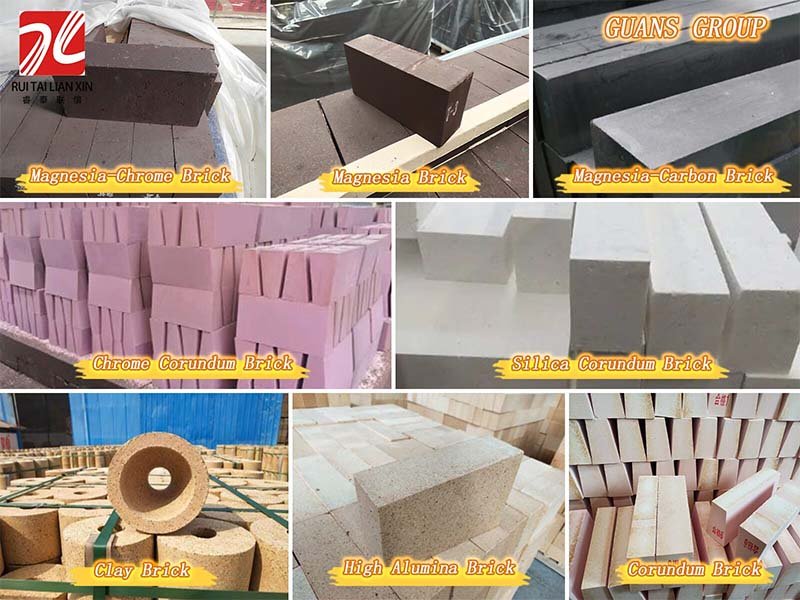
Because this area is surrounded by high-temperature molten slag for a long time and is subject to the most severe chemical erosion, direct bonding of magnesia-chrome bricks or rebonding of magnesia-chrome bricks is usually the preferred choice. This is because these high-quality refractory bricks have extremely high high-temperature strength and excellent resistance to slag penetration.
Meanwhile, considering environmental protection requirements, magnesium aluminum spinel bricks are often used as an alternative.Its kiln-coating properties are excellent, further protecting the kiln body.
(2) Furnace cap and furnace opening
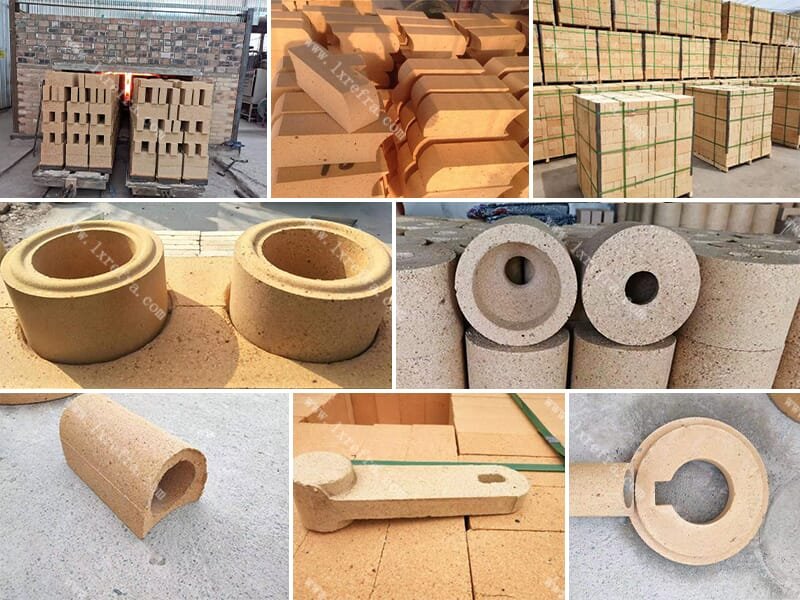
These non-reactive zones are significantly affected by thermal shock, and the focus should be on the thermal shock resistance stability of the material. Therefore, high-alumina bricks or high-density clay bricks are preferred to avoid peeling caused by frequent and drastic temperature changes.
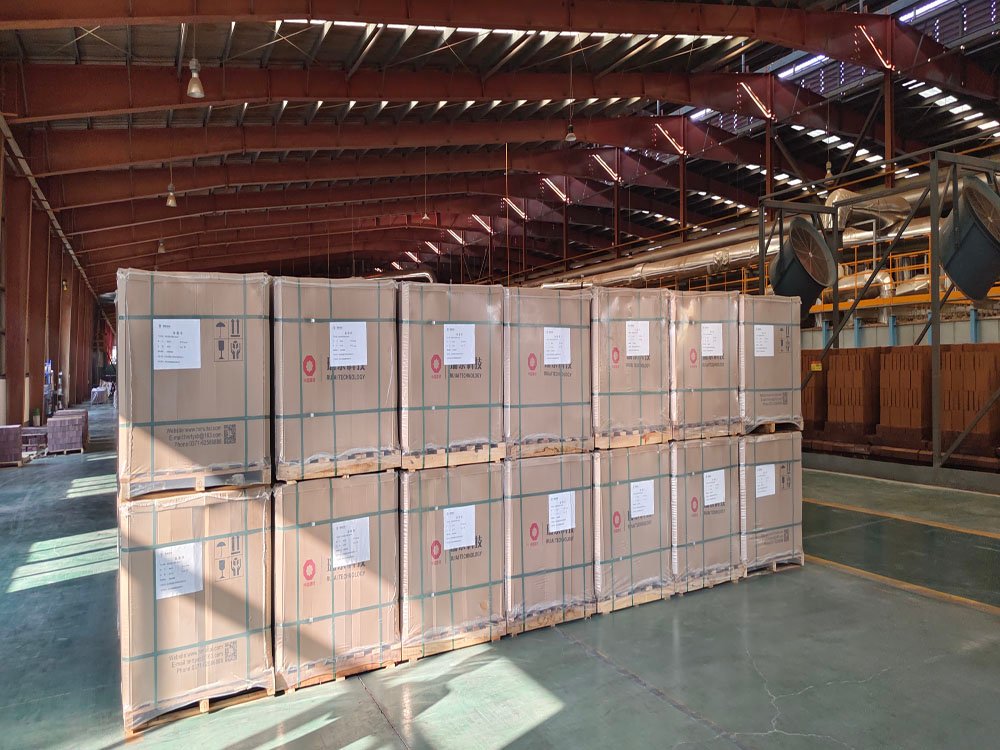
Professional refractory brick suppliers provide precise brick designs to ensure the overall tightness of the masonry and maximize its service life.