
Refractory bricks, as core protective materials in high-temperature industries, encompass various categories including clay bricks, high-alumina bricks, silica bricks, and magnesia bricks. Their damage directly impacts kiln operating efficiency and production safety.
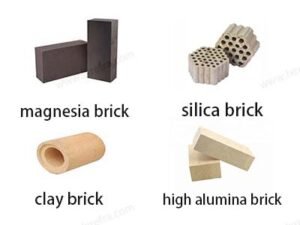
Different types of refractory bricks have significant differences in composition and performance, and their failure causes exhibit specific characteristics, which can be categorized as follows:
1. Clay Refractory Bricks: Common Failure Causes in Basic Materials
Clay bricks, primarily made from clay, are low-cost and widely used, but their high-temperature strength and erosion resistance are limited.
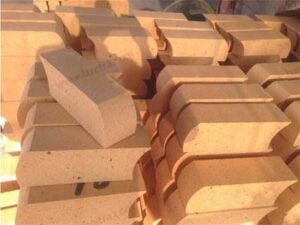
The damage stems primarily from two sources: First, prolonged exposure to temperatures above 1300℃ can lead to insufficient sintering, resulting in softening and deformation. Second, exposure to acidic furnace gases or molten materials containing sulfur and phosphorus can make the surface susceptible to erosion, forming a loose layer that gradually peels off.
Furthermore, uneven mortar joints or insufficient baking during construction exacerbate stress concentration in the brick, leading to early cracking.
2. High-Alumina Refractory Bricks: Key Factors in the Failure of High-Performance Materials
High-alumina bricks have a high aluminum content, excellent high-temperature strength and wear resistance, but relatively weak thermal shock resistance.

The core cause of their failure is excessive temperature fluctuation—rapid heating and cooling of the kiln causes a sharp increase in the temperature difference between the brick surface and its interior, generating thermal stress exceeding its own tolerance limit, leading to cracks.
Simultaneously, if alkaline slag is present in the environment, it will react with the alumina in the brick, destroying the crystal structure and resulting in decreased strength and spalling. Some companies, due to improper selection, use ordinary high-alumina bricks in ultra-high temperature or highly corrosive environments, which also accelerates failure.
3. Silica Refractory Bricks: The Shortcoming of High-Temperature Stability Materials
Silica bricks exhibit stable performance at temperatures above 1450℃ and good thermal shock resistance, but show significant low-temperature brittleness. Damage often occurs when the kiln is started up or shut down: at low temperatures, the bricks lack sufficient toughness. During construction, the bricks are prone to cracking and breakage when subjected to material impact or pressure.
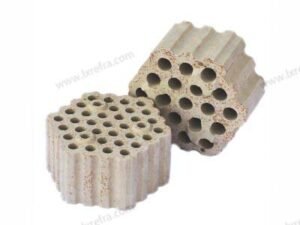
Furthermore, silica bricks are extremely sensitive to alkaline substances. If refractory bricks come into contact with alkaline furnace materials or refractory slurry mixed in the furnace, a rapid chemical reaction will occur, generating fusible substances, which will lead to erosion and peeling of the brick surface.
4. Magnesia Bricks: Corrosion Failure Due to Alkaline Materials
Magnesia bricks are alkaline refractory bricks with strong resistance to alkaline slag erosion. That commonly used in steelmaking converters and cement rotary kilns. Their damage primarily stems from acidic media erosion—when acidic furnace gases or acidic slag are present in the furnace. They react with the magnesium oxide in the magnesia bricks, damaging the brick structure.
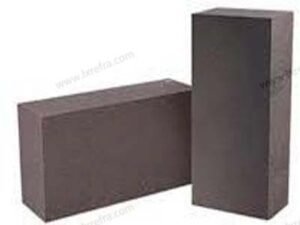
Simultaneously, magnesia bricks have poor thermal shock resistance; frequent temperature fluctuations can cause network cracks in the bricks, eventually leading to disintegration. Incompatibility between the slurry and brick materials during construction will also exacerbate damage due to poor interfacial bonding.
The root causes of damage to different types of refractory bricks are closely related to material selection, construction quality, and usage methods. Selecting appropriate refractory bricks for specific applications, adhering to standardized construction procedures. Scientifically managing the operating environment are key to effectively extending the service life of refractory bricks.
If your company is facing frequent damage to various types of refractory bricks. Needs professional selection guidance or customized protection solutions, please feel free to contact us. With years of experience in the refractory materials industry. We can provide high-quality products tailored to your production scenarios, along with comprehensive technical support. We help businesses reduce losses, ensure stable production. Work together to achieve efficient operations.